
Winning the Referral: How Restoration Companies Earn Repeat Business From Plumbers and Agents
Most restoration leads still arrive through a referral network, not a search ad. Here is what actually keeps a plumber, an agent, or a property manager sending the next job your way.
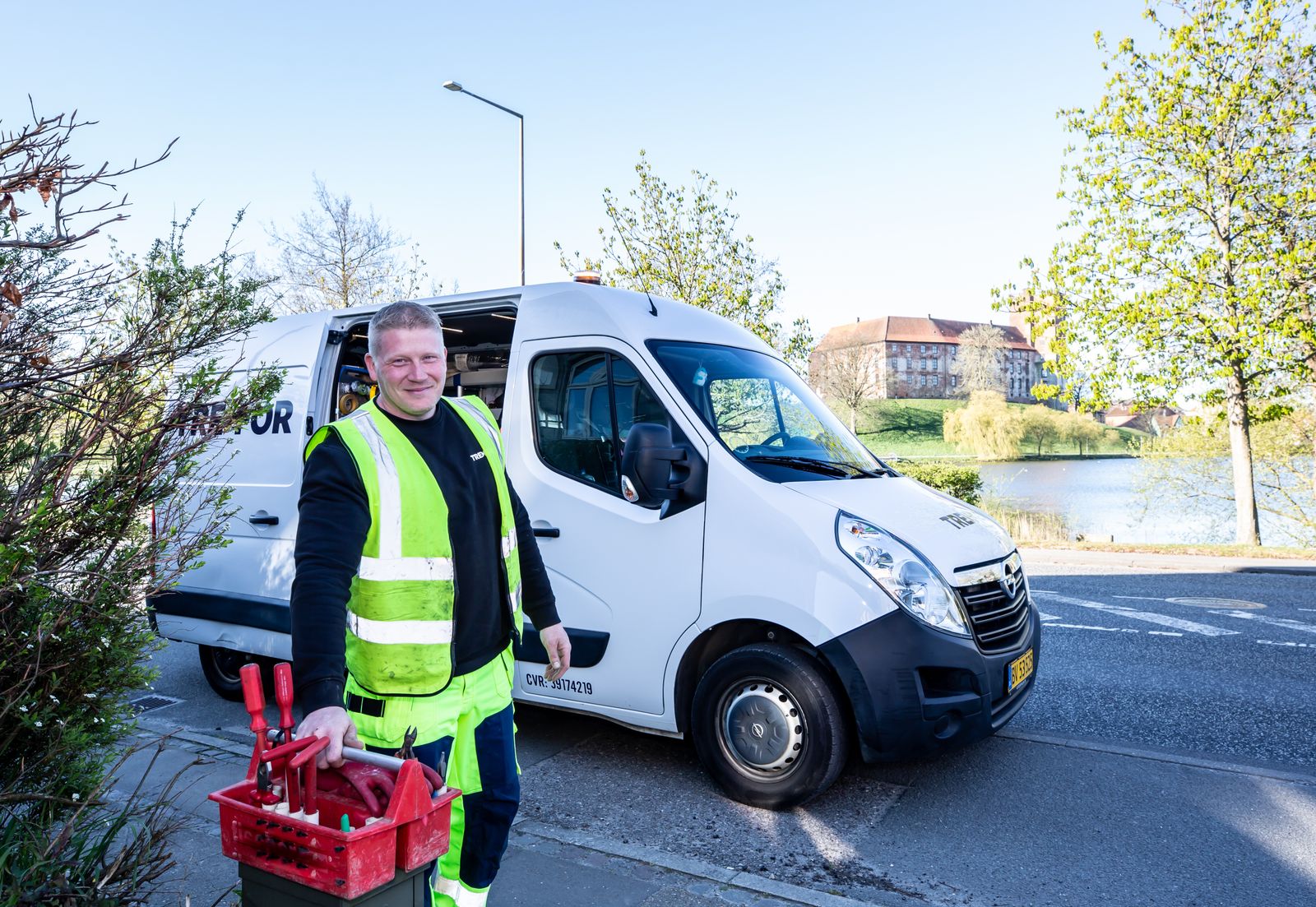
A homeowner with a burst pipe rarely searches for a restoration company first. They call a plumber, and the plumber is the one who says the name out loud. That single referral is worth more than most paid marketing a restoration company will ever run, because it arrives pre-trusted: the plumber is vouching for the crew before the crew has done anything to earn it. Operators who build steady lead flow outside of insurance-assigned work tend to treat referral relationships as a channel that needs deliberate maintenance, not a lucky byproduct of doing good work.
Referral partners are not a marketing list
The instinct for a growing restoration company is to treat plumbers, insurance agents, and property managers the way a marketing team treats a prospect list: a batch of contacts to email a flyer to twice a year. That approach rarely produces real volume. A plumber who refers restoration work is putting their own reputation on the line with a customer they may see again for years. What earns repeat referrals is proof, delivered case by case, that the crew treats the plumber's customer well, communicates clearly, and doesn't try to sell the homeowner services they don't need.
Roughly how many inbound calls do you take in a week?
Tap to start. 5 quick questions, then see your monthly number.
What agents actually want from a restoration partner
Independent insurance agents field the first call after a loss more often than most restoration companies assume, and what an agent wants from a restoration referral is predictability: a company that responds fast, documents the claim cleanly, and doesn't create friction with the adjuster later. An agent whose referral turns into a smooth, low-drama claim looks good to their client. An agent whose referral turns into a fight over the invoice does not, and that agent remembers which company caused the problem.
Property managers referee a different risk
Property managers and HOA boards referring restoration work are usually managing multiple units or buildings and weighing a different set of concerns: minimizing tenant displacement, keeping costs within what an owner or association will approve, and avoiding a mess that turns into a liability complaint. A restoration company that communicates timeline and scope clearly to a property manager before starting work, and that flags cost overruns before they happen rather than after, tends to become the default call for that manager's next several losses.
The referral is never really about the first job. It is a bet the plumber, the agent, or the property manager is making on the next twenty.
The follow-up that actually builds the relationship
A short, specific update after a referred job closes does more for the relationship than any gift basket. Telling a plumber that the job they referred is complete, the customer is satisfied, and the claim closed cleanly closes the loop and reinforces that the referral was worth making. Operators who do this consistently, even briefly, report that it's one of the few habits that reliably increases referral volume over time, because it gives the referring partner a concrete reason to remember the crew the next time a customer needs one.
Being easy to reach matters more than being memorable
A referral only converts if the receiving company answers the phone when the referral calls, and answers it the same day the referral was made, not two days later once the customer has already called someone else. Plumbers and agents who refer work are often standing in front of the customer, or on the phone with them, at the moment they make the call. A restoration company that's hard to reach at that exact moment loses referrals it never even hears about, because the plumber quietly stops recommending a company that made them look unreliable.
Small, consistent touches beat occasional big gestures
Operators report that quarterly check-ins, a coffee, a short visit to a plumbing shop, a card left with an agent's office, do more cumulative work than an annual golf outing or a large one-time gift. The relationship that produces steady referral flow tends to be one where the restoration company shows up in small ways often enough that it stays top of mind, rather than one where the company invests heavily once a year and hopes it lasts.
Measuring what's actually working
The most useful tracking a restoration company can do on referral marketing is simple: ask every new customer how they found the company, log the answer, and review it by source every quarter. Operators who do this consistently often find that a small handful of plumbers or agents account for a disproportionate share of non-catastrophe revenue, and that knowledge changes where the next round of relationship-building time actually gets spent.
Most shops lose more booked work at the phone than they realize. See your monthly number.
See my number →